Acacia acuminata Root Bark (Whole)
Buy Acacia acuminata root bark, a natural dried botanical material sourced from mature trees. This unprocessed root bark is suitable for educational study, ethnobotanical research, and archival reference where legally permitted.

-
Free worldwide shipping on all orders over $100
-
Delivers in: 3-7 Working Days Shipping & Return
Acacia Acuminata Root Bark (Whole) | Natural Botanical Specimen
Buy Acacia acuminata root bark — a natural, dried botanical material harvested from mature trees and prepared in its unprocessed form for educational, research, and ethnobotanical documentation purposes where legally permitted.
✅ Natural, unprocessed Acacia acuminata root bark
✅ Cleaned and dried only — no chemicals
✅ Preserves authentic botanical structure
✅ Ethically sourced from responsibly managed trees
✅ Suitable for archival and reference use
Select Quantity → Add to Cart
Product Description
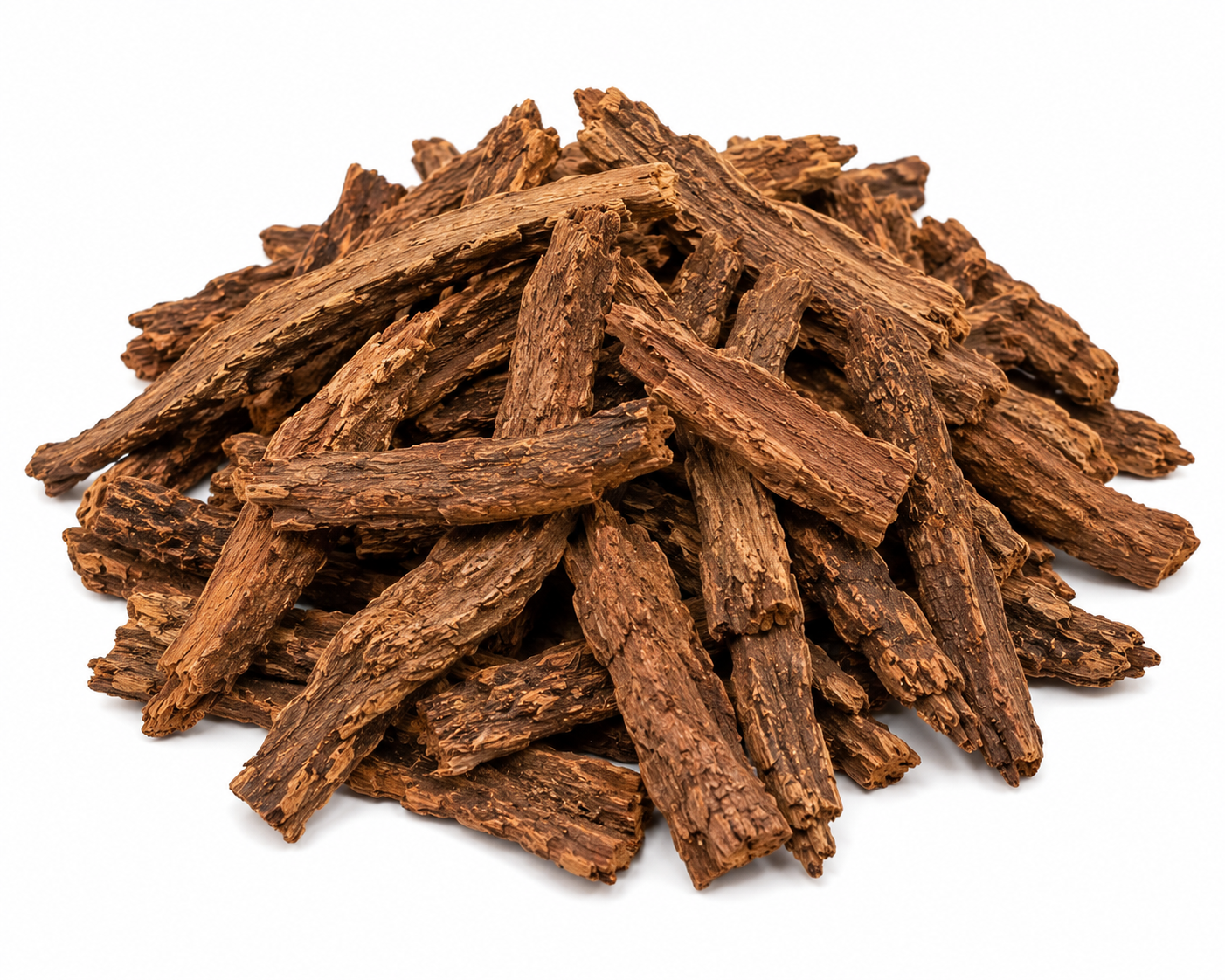
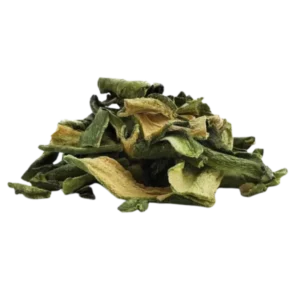
Acacia acuminata root bark is harvested from mature Acacia acuminata trees and prepared in its natural, unprocessed form for botanical reference and educational applications. The bark is carefully cleaned and dried to preserve its natural structure, texture, and botanical characteristics without chemical modification.
Acacia acuminata — commonly referred to as Narrow Phyllode Acacia — is native to Australia and recognized in ethnobotanical documentation for its adaptability to arid and semi-arid environments. This species is endemic to Western Australia and occurs throughout the south-west of the State, extending into the semi-arid interior. It is common in the Wheatbelt region and plays a significant role in the local ecosystem.
Because the bark remains untreated and additive-free, natural variation in color, thickness, and fibrous texture may occur between batches. These differences reflect environmental conditions and plant maturity rather than processing changes. Researchers value this authenticity as it provides genuine botanical material for accurate study and comparison.
Researchers, educators, and collectors often select Acacia acuminata root bark for archival study, visual inspection, and ethnobotanical reference collections. The whole bark pieces retain their original structure, allowing for detailed examination of bark morphology, fibrous composition, and natural color variation. This makes them ideal for herbarium collections, botanical identification workshops, and comparative plant studies.
This product serves strictly as a botanical specimen where legally permitted. It is not intended for consumption, medicinal use, or any other purpose beyond educational and research applications.
Key Features
| Feature | Description |
|---|---|
| Botanical Name | Acacia acuminata Benth. |
| Common Name | Narrow Phyllode Acacia, Raspberry Jam, Jam Wattle |
| Plant Material | Root bark |
| Form | Dried root bark pieces (whole) |
| Source | Cultivated or responsibly managed trees |
| Processing | Cleaned and dried only |
| Additives | None |
| Modification | No chemical extraction or enhancement |
| Natural Variation | Expected — reflects growing conditions |
Botanical Background
Acacia acuminata is a member of the Fabaceae family and is native to Western Australia. The species typically grows as a small tree or shrub, reaching heights of 2 to 7 meters. It is characterized by its narrow phyllodes (flattened leaf-like structures) that give it its common name.
The Noongar peoples of Western Australia have traditionally recognized this species, referring to it as Manjart, Munertor, Mungaitch, or Mungat. The tree produces distinctive yellow flower spikes and woody pods containing seeds that are compressed and dark brown in color.
Variants of Acacia acuminata
The species exhibits natural variation, with three main variants recognized in botanical literature:
| Variant | Phyllode Width | Pod Width | Seed Characteristics |
|---|---|---|---|
| Typical Variant | 3–8 mm | 4–7 mm | Compressed, 3–4.5 mm long |
| Narrow Phyllode Variant | 2–4 mm | 3–5 mm | Compressed, 3–4 mm long |
| Small Seed Variant | 3–6 mm | 2.5–3 mm | Compressed, 2–3 mm long |
Our Acacia acuminata root bark is sourced from the typical variant unless otherwise specified. However, natural variation is expected and reflects genuine botanical diversity.
Why Choose Acacia Acuminata Root Bark?
-
✅ Natural dried root bark material
-
✅ Preserves authentic botanical structure
-
✅ Suitable for educational and archival reference
-
✅ Ethically sourced from responsibly managed trees
-
✅ Untreated and additive-free
-
✅ Supports botanical documentation and inspection
-
✅ Ideal for herbarium collections and research
-
✅ Consistent quality and reliable supply
-
✅ Free worldwide shipping on orders over $50
Storage Guidance
Store Acacia acuminata root bark in a cool, dry, and well-ventilated environment away from moisture and direct sunlight. Airtight containers help preserve structural integrity during long-term storage.
Best practices for storage:
-
Use glass jars or food-grade plastic containers with airtight seals
-
Store in a dark cupboard or drawer away from heat sources
-
Label clearly with botanical name and date of storage
-
Check periodically for moisture or pest activity
-
Avoid refrigerating or freezing, as condensation can damage the material
Proper storage helps maintain the bark’s appearance, texture, and usability for years to come.
Intended Use & Compliance
This product is sold strictly as a botanical specimen for educational, archival, research, and ethnobotanical reference purposes only.
It is not intended for consumption, medicinal use, or supplementation. Buyers must verify all applicable local and national regulations before purchase or possession.
Important compliance notes:
-
International buyers are responsible for understanding their country’s import laws
-
Some countries may require permits for botanical materials
-
MHRB Botanical Supply complies with all applicable export regulations
-
The seller does not promote or endorse human consumption or medicinal use
Frequently Asked Questions
Q: What is Acacia acuminata root bark?
A: It is dried root bark sourced from Acacia acuminata trees, supplied for botanical reference and educational purposes.
Q: Is the bark chemically treated?
A: No. The bark is cleaned and dried only without additives or chemical processing.
Q: How should the bark be stored?
A: Store in a sealed container in a cool, dry location away from moisture and direct light.
Q: Does natural variation occur between batches?
A: Yes. Variations in color, texture, and thickness are normal due to natural plant growth conditions.
Q: What is this product intended for?
A: This product is supplied strictly for educational, archival, research, and ethnobotanical reference purposes.
Q: Is this product legal to purchase?
A: Legality varies by location. Buyers must verify local laws before purchasing.
Q: What is the scientific name of this plant?
A: Acacia acuminata Benth., also known as Narrow Phyllode Acacia.
Q: Where does Acacia acuminata grow?
A: It is endemic to Western Australia, growing throughout the south-west and semi-arid interior.
Q: How can I identify authentic Acacia acuminata root bark?
A: Look for natural variation in color, fibrous texture, and the characteristic bark structure. Our product is sourced from cultivated or responsibly managed trees.
Q: Do you offer international shipping for this product?
A: Yes. Free worldwide shipping is available on orders over $50.
Q: Can I return the product if I’m not satisfied?
A: Yes. We accept returns within 30 days of delivery. Contact customer service to initiate a return.
| Quantity | 200g, 300g, 400g, 500g, 1kg |
|---|
Related Products
-
Acacia acuminata phyllodes
Price range: $120.00 through $580.00 -
Acacia acuminata powder
Price range: $180.00 through $900.00 -
Peruvian Torch Cactus Dried Skin (Trichocereus peruvianus)
Price range: $118.99 through $1,000.00
Recently Viewed Products
Reviews
There are no reviews yet.