San Pedro Cactus Dried Skin — Echinopsis pachanoi
Genuine San Pedro cactus dried skin (Echinopsis pachanoi), hand-harvested from cultivated Peruvian plants and traditionally sun-dried with no additives. Each batch is hermetically sealed and lot-labeled for full traceability. Ideal for botanical collections, ethnobotanical archives, and educational reference specimens. Sold strictly as a botanical specimen — not for human consumption.

-
Free worldwide shipping on all orders over $100
-
Delivers in: 3-7 Working Days Shipping & Return
San Pedro Cactus Dried Skin (Echinopsis pachanoi) — Cultivated Peruvian Botanical Specimen
Looking for genuine San Pedro cactus dried skin for your botanical collection, ethnobotanical archive, or natural craft project? This listing offers hand-processed Echinopsis pachanoi skin, grown and harvested in Peru, dried the traditional way, and packaged for long-term specimen quality.
No powders mixed in. No synthetic preservatives. No shortcuts. Just the outer skin of one of the Andes’ most historically significant cacti, prepared for collectors, educators, and researchers who care about provenance.
What Is San Pedro Cactus? (Echinopsis pachanoi)
San Pedro cactus — botanically Echinopsis pachanoi, also widely referred to by the older name Trichocereus pachanoi — is a tall, fast-growing columnar cactus native to the high-altitude regions of the Andes. Wild and cultivated populations are found across Peru, Ecuador, Bolivia, and parts of northern Chile and Argentina, typically thriving between 2,000 and 3,000 meters elevation.
The plant is easy to recognize: tall ribbed columns, an even spacing of areoles along each rib, and a deep blue-green skin. It’s considered one of the faster-growing members of the Cactaceae family, with healthy specimens adding several tens of centimeters of height per year.
Archaeologically, San Pedro cactus has a documented presence in Andean culture stretching back thousands of years, appearing in artwork and artifacts associated with the Chavín, Moche, and Nazca civilizations. It remains a subject of ongoing interest in ethnobotany, plant taxonomy, and Cactaceae research programs around the world.
Quick reference:
- Scientific name: Echinopsis pachanoi
- Synonym: Trichocereus pachanoi
- Family: Cactaceae
- Regional names: San Pedro, huachuma, gigantón, aguacolla
- Native range: Peru, Ecuador, Bolivia, Chile, Argentina
- Growth form: Columnar, ribbed, mature height 3–6 meters
- Historical record: Documented in Andean material culture for millennia
What Is San Pedro Cactus Dried Skin?
San Pedro cactus dried skin is the outer surface layer of the cactus stem — the pigmented layer that covers the plant’s core. It’s the format most often requested by people building physical reference collections, since it preserves the plant’s natural surface structure rather than reducing it to powder.
Our production process:
- Cultivated, fully mature plants are selected from Andean growers in Peru.
- The outer skin layer is removed by hand and separated from the interior material.
- Strips are cleaned of surface debris before drying begins.
- Drying happens outdoors under natural sun exposure — no kilns, no forced-air ovens.
- Dried strips are checked for consistent color, intact texture, and no signs of contamination.
- Finished material is sealed in moisture-resistant packaging with a lot number, species name, and origin noted on the label.
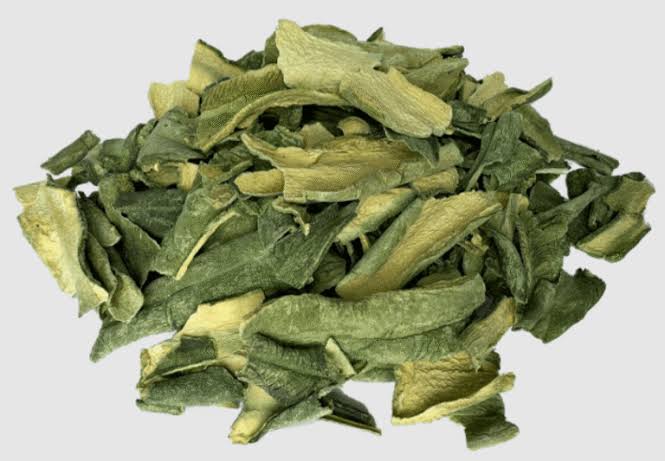
What you receive is a firm, ribbon-like strip that keeps its natural olive-to-deep-green coloring, a mild plant aroma, and the surface texture of the living cactus — the qualities collectors and archivists look for in an authentic specimen.
San Pedro Cactus Dried Skin vs. Powder — Which Format Fits Your Project?
We offer this species in both dried skin and powdered form, sourced from the same cultivated plants. The right pick depends on what you’re doing with it.
Dried skin makes sense if you:
- Want to keep the original surface structure intact for visual or morphological study
- Are assembling a specimen archive where authenticity of form matters
- Would rather control your own particle size by processing it yourself
- Are working on a craft, dye, or artisanal project where texture is part of the appeal
- Want the longest possible shelf life
- Need material suitable for a herbarium-style reference collection
Powder makes more sense if you:
- Need something ready to use without extra prep
- Are producing samples that require a fine, even particle size
- Want to minimize storage volume
- Need visually uniform material for documentation purposes
Quality Characteristics of Genuine San Pedro Cactus Dried Skin
Quality varies a lot across suppliers. Here’s what we check for, and what you should check for too.
Color — A consistent deep green to olive tone on the outer face, with a paler green on the inner (flesh-facing) side. Some batch-to-batch variation is normal; browning, blackened patches, or bleached-looking strips are not.
Texture — Strips should be firm and fibrous, holding their shape rather than crumbling apart. The outer face typically keeps a faint waxy feel. Very dry storage conditions can make strips slightly more brittle over time, which is expected.
Smell — A light, earthy, plant-like scent. Anything sour, musty, or chemical-smelling is a red flag for improper drying or storage.
Surface detail — Genuine whole-skin strips usually show the areole points where spines would have emerged, which is a good visual confirmation you’re looking at real skin material rather than a reconstituted product. There should be no mold, powdery white residue, or embedded debris.
Labeling — Every batch we ship is marked with the species name, its synonym, country of origin, format, and a packaging date, so you always know exactly what you’re holding.
Common Uses for San Pedro Cactus Dried Skin
People come to San Pedro cactus dried skin for a range of legitimate, non-consumption purposes:
- Ethnobotanical collections — researchers and hobbyists adding a well-documented Andean species to a reference archive.
- Taxonomy and identification study — the visible areole pattern and rib impressions serve as a physical teaching aid.
- Natural dye work — the chlorophyll-rich green skin draws interest from plant-based pigment and dye practitioners.
- Craft and artisanal projects — makers who want an authentic botanical material for decorative or sculptural work.
- Cultural and historical archiving — educators and collectors documenting Andean plant history alongside written and photographic records.
- Herbarium and institutional collections — teaching specimens for university or museum plant collections.
How to Store San Pedro Cactus Dried Skin
Proper storage keeps your San Pedro cactus dried skin fresh for years. To keep your specimen in good condition:
- Store in an airtight container — a glass jar with a good seal or a vacuum bag works well.
- Keep it somewhere cool, dark, and away from direct light or heat.
- Add a silica gel packet if your storage area tends to be humid.
- Keep it away from strongly scented items — dried plant skin will pick up nearby odors.
- Label the container with species name, lot number, and the date you received it.
- Aim for storage below 20°C (68°F).
Under these conditions, expect a shelf life in the range of 18–36 months, with the material holding its color, texture, and aroma well past the one-year mark.
Our Sourcing Standards
Every batch of San Pedro cactus dried skin we sell starts with cultivated Echinopsis pachanoi grown by Andean growers in Peru — never wild-harvested. Every incoming batch is checked for:
- Confirmed cultivated origin
- Color, texture, and aroma against our internal benchmarks
- Even, complete drying
- Absence of mold, pests, or contamination
- Unique lot traceability
- Proper moisture-resistant sealing before it goes into inventory
We prioritize suppliers who follow sustainable harvesting practices that protect wild populations and rely on cultivation rather than extraction from natural stands.
Important Notes on Use
This San Pedro cactus dried skin is sold strictly as a botanical specimen for educational, taxonomic, archival, and collection purposes. It is not sold or intended for human consumption, and no claims are made about any medicinal, therapeutic, or physiological effects.
Buyers are responsible for confirming that purchase, possession, and use of this material is permitted under their own local, state, and federal laws before ordering.
Species: Echinopsis pachanoi (syn. Trichocereus pachanoi) Form: Dried outer skin, whole strips Origin: Peru, cultivated Processing: Hand-harvested, sun-dried, no additives
| Quantity | 200g, 500g, 1KG, 2KG |
|---|
Related Products
-
-5%
San Pedro cactus powder
Price range: $250.00 through $950.99 -
SAN PEDRO CACTUS Powder Echinopsis Pachanoi Wuachuma
Price range: $145.00 through $480.00 -
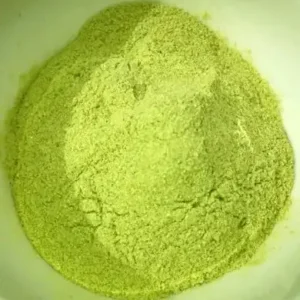
Peruvian Torch Cactus Powder (Trichocereus peruvianus) — Botanical Specimen Powder
Price range: $220.99 through $1,100.00 -
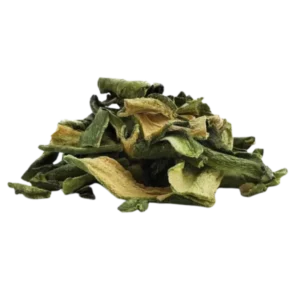
Peruvian Torch Cactus Dried Skin (Trichocereus peruvianus)
Price range: $118.99 through $1,000.00
Recently Viewed Products
Brazilian Mimosa Hostilis root bark powder
Price range: $150.00 through $800.00
Mexican Mimosa Hostilis root bark powder
Price range: $150.00 through $800.00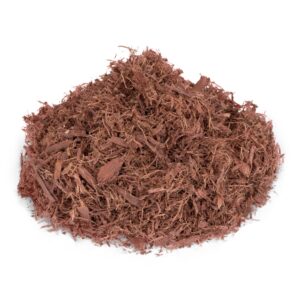
Mexican Mimosa Hostilis shredded root bark
Price range: $150.00 through $800.00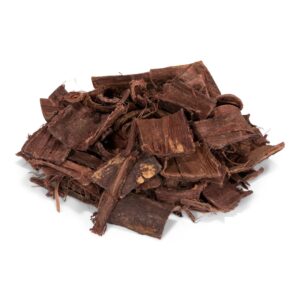
Brazilian Mimosa Hostilis Whole Root Bark
Price range: $150.00 through $800.00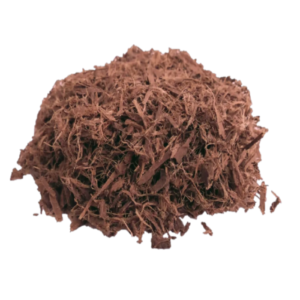
Reviews
There are no reviews yet.