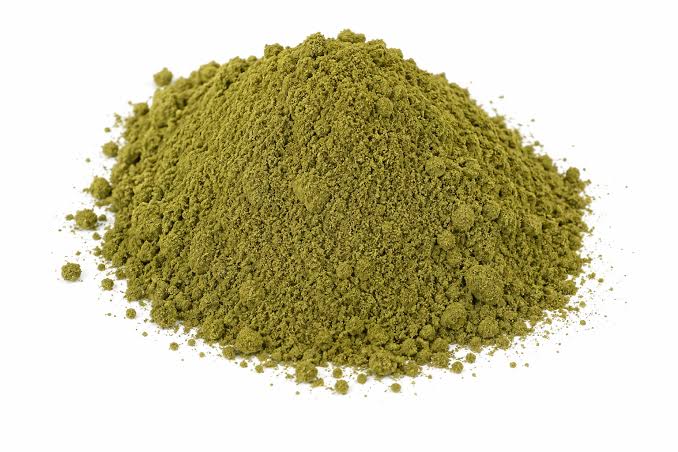
San Pedro cactus powder
Premium San Pedro cactus powder (Echinopsis pachanoi), finely milled from cultivated Peruvian plants with no additives or fillers. Each batch is lot-labeled and sealed for freshness, ideal for ethnobotanical archives, herbarium collections, and educational reference use. Sold strictly as a botanical specimen — not for human consumption.

-
Free worldwide shipping on all orders over $100
-
Delivers in: 3-7 Working Days Shipping & Return
San Pedro Cactus Powder (Echinopsis pachanoi) — Cultivated Peruvian Botanical Specimen
Looking for San Pedro cactus powder for your research, archive, or reference collection? This listing offers finely milled Echinopsis pachanoi, one of the most historically documented columnar cacti in the world. You may also know it by its botanical synonym, Trichocereus pachanoi, or its international name, kaktus San Pedro. Scholars have studied this species for centuries, and it remains a staple in ethnobotanical and cultural research.
Whether you’re building an educational collection, an ethnobotanical reference library, or a botanical archive, our powder gives you consistent quality, clean sourcing, and easy storage in one product.
[Image suggestion: hero photo of the powder in a jar, showing texture and color]
What Is San Pedro Cactus? (Echinopsis pachanoi)
San Pedro cactus is a fast-growing columnar cactus native to the Andean regions of South America, mainly Peru and Ecuador. It grows naturally between 2,000 and 3,000 meters elevation.
You can spot it easily by its tall, upright green stems, ribbed structure, and white areoles spaced evenly along each rib. It grows quickly, too — under good conditions, it can add 30 to 40 cm of height per year, making it one of the fastest-growing cacti in the world.
Quick reference:
- Family: Cactaceae
- Synonyms: Trichocereus pachanoi, Cereus pachanoi
- Common names: San Pedro cactus, huachuma, aguacolla, gigantón
- Native range: Peru, Ecuador, Bolivia, Chile, Argentina
- Growth habit: Columnar, multi-ribbed, bright green stems reaching 3–6 meters
- Flowers: Large white nocturnal blooms, up to 20 cm across
- Cultural significance: One of the most documented sacred plants in Andean and pre-Columbian records
Andean cultures have used and depicted San Pedro cactus for over 3,000 years. It appears throughout Chavín, Moche, and Nazca artifacts, which makes it one of the most archaeologically documented plant species in South American history.
[Image suggestion: botanical illustration or photo of live San Pedro cactus with flowers]
What Is San Pedro Cactus Powder?
San Pedro cactus powder comes from cultivated Echinopsis pachanoi specimens. We harvest, dry, and finely mill each batch to preserve the plant’s natural characteristics for reference, documentation, and collection use.
What sets our powder apart:
- We source it exclusively from cultivated Trichocereus pachanoi / Echinopsis pachanoi specimens.
- We grind it to a consistent, uniform particle size for easy cataloging and storage.
- We add zero fillers, additives, or artificial processing.
- We apply no chemical extraction or concentration steps.
- We preserve the plant’s natural color, texture, and botanical integrity.
- We label every batch with species name, synonym, and origin information.
Some natural variation in color and texture happens between batches — that’s a normal feature of genuine, minimally processed botanical material, not a defect.
Botanical Origin and Sourcing
Understanding where your botanical material comes from matters, especially for researchers, archivists, and collectors. Here’s what you need to know about ours:
- Species: Echinopsis pachanoi (syn. Trichocereus pachanoi)
- Cultivation origin: South America, primarily Peru
- Plant part used: Whole cactus stem, dried and milled
- Processing: Minimal — dried, then finely ground, nothing added or removed
- Sustainability: Produced from cultivated specimens, not wild-harvested
- Batch labeling: Species name, synonym, origin, and form stated clearly on every package
Because we work with cultivated sources instead of wild harvest, every purchase supports the preservation of naturally occurring Echinopsis pachanoi populations in their native Andean habitat.
San Pedro Cactus Powder vs. Whole Material — Which Format Fits Your Project?
Both formats work well for building a San Pedro cactus reference collection, but each offers different practical advantages depending on your goals.
Choose powder if you:
- Need uniform particle size for consistent, reproducible results
- Want to portion and measure material precisely by weight
- Prefer something simple to label, store, and slot into an existing collection
- Have limited storage space and want the smallest footprint per gram
- Are documenting for a university or institutional herbarium
Choose whole material if you:
- Want to preserve the original stem structure, including ribs, areoles, and skin
- Need to visually examine Echinopsis pachanoi morphology
- Prioritize specimen authenticity above convenience
- Want a longer shelf life when stored correctly
- Would rather grind your own powder at home, on your own schedule
Both formats come from the same cultivated Trichocereus pachanoi source material. The right choice really just depends on your storage space, documentation needs, and intended use.
[Image suggestion: side-by-side comparison photo of powder vs. whole dried skin]
Quality Characteristics of Genuine San Pedro Cactus Powder
High-quality San Pedro cactus powder shows a few clear signs. Here’s what to look for:
Color: Expect a natural green to olive-green or pale greenish-tan shade, depending on which part of the stem we used and how we dried it.
Texture: Good powder feels fine, consistent, and uniform, with no coarse grit or hard lumps under proper storage.
Smell: A mild, clean, faintly earthy scent is normal. Musty, sour, or chemical odors are not — those signal poor drying or storage.
Appearance: Look for a clean, consistent look throughout, with no discoloration, foreign material, or signs of moisture damage.
Processing: Genuine powder shows no extraction residue, no artificial color, and no fillers — just minimally processed plant material.
As with any authentic botanical specimen, you’ll notice some batch-to-batch variation in color and texture. That’s expected, not a flaw — it reflects the natural variation found in cultivated plant material.
How to Store San Pedro Cactus Powder
Proper storage keeps your San Pedro cactus powder fresh and true to its original quality. Follow these steps:
- Store it in a sealed, airtight container — glass jars with tight-sealing lids work best.
- Keep it somewhere cool, dark, and dry, away from sunlight and heat.
- Add a food-grade silica gel packet inside the container to control moisture.
- Avoid opening the container too often, since each opening lets in air and humidity.
- Label the container with the species name (Echinopsis pachanoi / Trichocereus pachanoi), batch number, and storage date.
- Aim for storage below 20°C (68°F).
Under these conditions, your powder should last 12 to 18 months while retaining its natural color, texture, and botanical integrity.
Common Uses for San Pedro Cactus Powder
Researchers, educators, and collectors turn to San Pedro cactus powder and whole material for a range of purposes:
- Botanical research: Scientists studying Andean plant species and Cactaceae morphology rely on consistent, well-documented specimens.
- Ethnobotanical collections: Archivists document pre-Columbian and indigenous South American plant use.
- University and institutional herbaria: Programs maintain dried plant specimen archives for teaching and research.
- Historical and cultural studies: Educators and historians connect physical specimens to Andean archaeological records.
- Taxonomy projects: Identification work often calls for physical reference material alongside written documentation.
- Archival projects: Long-term documentation efforts benefit from the powder’s easy storage and shipping.
Our Sourcing Standards
Every batch of San Pedro cactus powder we sell starts with sustainably cultivated Echinopsis pachanoi — never wild-harvested. Before it reaches inventory, we check each batch for:
- Confirmed cultivated origin
- Uniform particle size and consistent texture
- No extraction residue, additives, or fillers
- No mold, contamination, or moisture damage
- Full batch traceability with a unique lot number
- Proper airtight sealing before packaging
We prioritize suppliers who practice sustainable cultivation, which protects wild Echinopsis pachanoi populations while still meeting demand from researchers and collectors.
Important Notes on Use
We sell this San Pedro cactus powder strictly as a botanical specimen for educational, historical, ethnobotanical, collection, and reference purposes. We do not promote or endorse consumption, extraction, medicinal use, or any other application of this material.
Before ordering, please confirm that purchasing and possessing this material complies with your local, state, and federal laws.
Species: Echinopsis pachanoi (syn. Trichocereus pachanoi) Form: Powder Origin: South America (Peru) Processing: Dried and finely milled Additives: None
| Quantity | 500g, 1KG, 2KG |
|---|
Related Products
-
San Pedro Cactus Dried Skin — Echinopsis pachanoi
Price range: $118.99 through $1,000.00 -
SAN PEDRO CACTUS Powder Echinopsis Pachanoi Wuachuma
Price range: $145.00 through $480.00 -
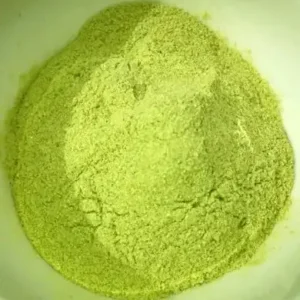
Peruvian Torch Cactus Powder (Trichocereus peruvianus) — Botanical Specimen Powder
Price range: $220.99 through $1,100.00 -
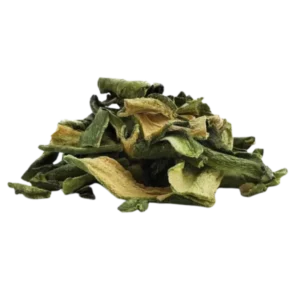
Peruvian Torch Cactus Dried Skin (Trichocereus peruvianus)
Price range: $118.99 through $1,000.00
Recently Viewed Products
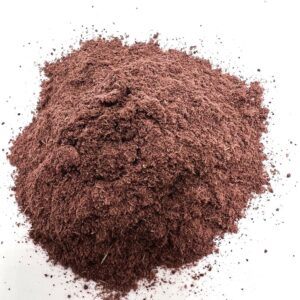
Brazilian Mimosa Hostilis root bark powder
Price range: $150.00 through $800.00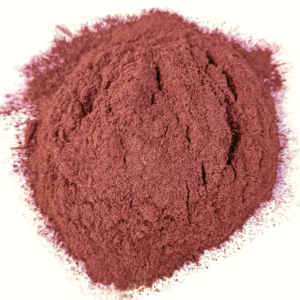
Mexican Mimosa Hostilis root bark powder
Price range: $150.00 through $800.00
Mexican Mimosa Hostilis shredded root bark
Price range: $150.00 through $800.00
Brazilian Mimosa Hostilis Whole Root Bark
Price range: $150.00 through $800.00
Reviews
There are no reviews yet.